
Blog
What Makes a Good Lithium Battery?

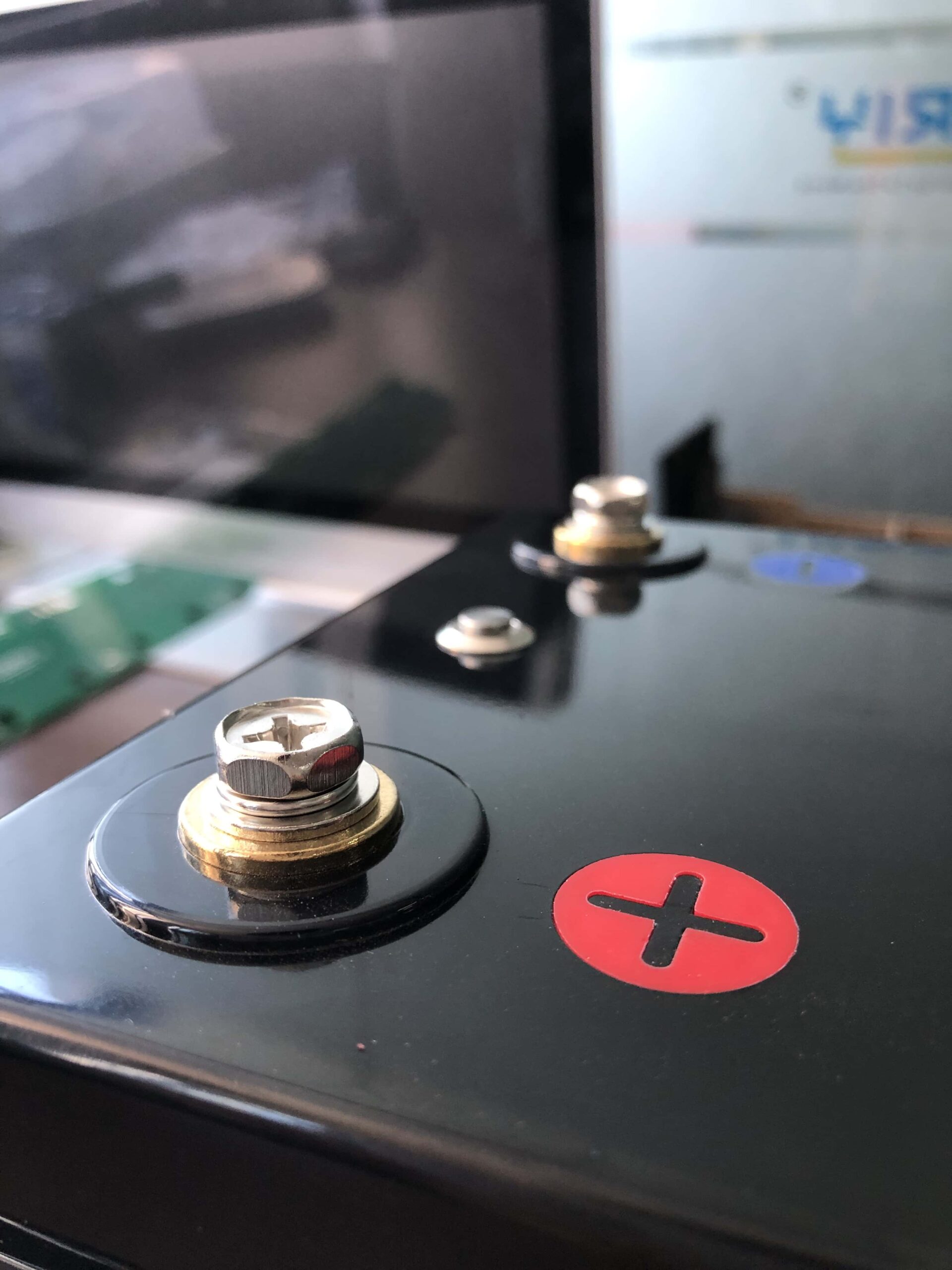
The lithium battery market in Nigeria is booming, but not all batteries are created equal. With the country’s ongoing power challenges and the rapid adoption of solar energy systems, choosing the right battery can mean the difference between reliable backup power and expensive disappointment.
After years in the renewable energy space and countless conversations with frustrated customers who’ve been burned by subpar batteries, industry experts have identified four critical factors that separate excellent lithium batteries from the mediocre ones flooding the market.
The Four Pillars of Battery Quality
1. The Cells:
The heart of any lithium battery lies in its individual cells, and this is where most cheap batteries fail spectacularly.
Cell Grades Matter More Than You Think
Not all lithium cells are equal. The industry classifies cells into grades:
- Grade A: Premium cells with optimal capacity, longest cycle life (8,000-10,000+ cycles)
- Grade B: Good cells with minor imperfections, reduced lifespan (5,000-6,000 cycles)
- Grade C: Substandard cells that often fail early (2,000-3,000 cycles)
The problem? Many battery manufacturers in Nigeria claim to use “Grade A” cells while actually using Grade B or worse. Some even use recycled cells from old laptops or electric vehicles.
How to Verify Cell Quality
Reputable manufacturers provide QR codes on each cell that trace back to the original manufacturer. These codes should match the specifications on the battery’s data sheet. If a seller can’t or won’t show you these codes, that’s a red flag.
Some companies go a step further, providing detailed traceability documentation and even offering 10x compensation if cell authenticity is proven false – that’s confidence in their supply chain.
2. The Build:
Even premium cells won’t perform well if they’re poorly assembled. Battery building requires precise engineering, proper tools, and adherence to best practices.
What to Look For:
- Proper cell compression: Cells need consistent pressure to perform optimally
- Quality connections: Loose screws or poor welding cause performance degradation
- Thermal management: Adequate spacing and cooling prevent overheating
- Fire safety features: Built-in fire suppression systems for larger installations
- Robust casing: 8mm thick wooden crates for shipping, not flimsy cardboard
DIY vs OEM: The Trade-offs
DIY battery builders often have the advantage of transparency – you can see exactly what goes into your pack. However, reputable OEM manufacturers bring factory automation, consistent quality control, and warranty backing that individual builders can’t match.
3. The BMS: Your Battery’s Brain
The Battery Management System (BMS) is arguably the most critical component after the cells themselves. It’s the sophisticated electronic system that monitors, protects, and optimizes your battery’s performance.
Essential BMS Features:
- Cell-level monitoring: Track individual cell voltages and temperatures
- Communication capabilities: Integration with inverters and monitoring systems
- Protection functions: Overvoltage, undervoltage, overcurrent, and temperature protection
- Balancing: Keeps all cells at optimal charge levels
- Remote monitoring: Bluetooth or WiFi connectivity for system diagnostics
The Communication Problem
Many cheap batteries come with basic BMS systems that can’t communicate with quality inverters. This means no system monitoring, no automatic shutoffs, and no optimization – essentially flying blind with your expensive power system.
Premium batteries feature advanced BMS systems with multiple communication protocols (CAN, RS485, Modbus) that integrate seamlessly with major inverter brands.
4. Support: When Things Go Wrong
This is where many battery purchases in Nigeria fall apart. You buy a battery with a “5-year warranty” only to discover the seller has disappeared, moved locations, or claims the warranty is “handled by the manufacturer in China.”
What Real Support Looks Like:
- Local warranty service: On-site repair by certified local technicians
- Accessible customer service: WhatsApp, phone, and email support that actually responds
- Technical expertise: Staff who understand the products and can troubleshoot issues
- Replacement parts availability: BMS units, cells, and other components readily available
- Clear warranty terms: What’s covered, what isn’t, and how claims are processed
Red Flags: How to Spot Poor Quality Batteries
Pricing That’s Too Good to Be True If a 10kWh LiFePO4 battery is priced significantly below market rates, there’s usually a reason. Cheap batteries often use:
- Recycled or Grade C cells
- Undersized BMS systems
- Poor construction methods
- Inflated capacity claims
No Cell Documentation Any reputable seller should provide:
- Cell manufacturer specifications
- QR code verification
- Capacity test results
- Manufacturing date
Vague Warranty Terms “5-year warranty” means nothing if it’s not clear what’s covered, who handles claims, and how the process works.
No Communication Options Batteries, especially the larger ones that can’t integrate with your inverter or monitoring system are essentially obsolete in modern installations.
The Nigerian Context: Why Quality Matters More Here
Nigeria’s challenging electrical environment makes battery quality even more critical:
Frequent Power Fluctuations: Poor grid power quality stresses battery systems
High Temperatures: Extreme heat accelerates battery degradation
Limited Service Networks: When things go wrong, local support is essential
Import Challenges: Warranty replacements from overseas are slow and expensive
Questions to Ask Your Battery Supplier
Before making a purchase, ensure your supplier can answer these questions:
- What grade cells are used and can you provide QR code verification?
- What BMS features are included and which inverters are compatible?
- Where is warranty service handled and who performs repairs?
- Can you provide references from customers with similar installations?
- What happens if the battery fails after 2 years?
The Bottom Line
A good lithium battery is an investment in reliable power for the next 5-15 years. In Nigeria’s challenging power environment, cutting corners on battery quality is a false economy that leads to frustration, additional costs, and system downtime.
Focus on verified cell quality, robust construction, advanced BMS features, and most importantly, reliable local support. While premium batteries require higher upfront investment, they deliver better value, performance, and peace of mind over their operational lifetime.
The solar revolution in Nigeria is built on reliable energy storage. Choose your batteries wisely – your future self will thank you when the lights stay on while your neighbors are reaching for their generators.
Looking for verified premium lithium batteries with local support in Nigeria? Contact our technical team for personalized system recommendations and transparent pricing.
One thought on “What Makes a Good Lithium Battery?”